Winter Car Readiness
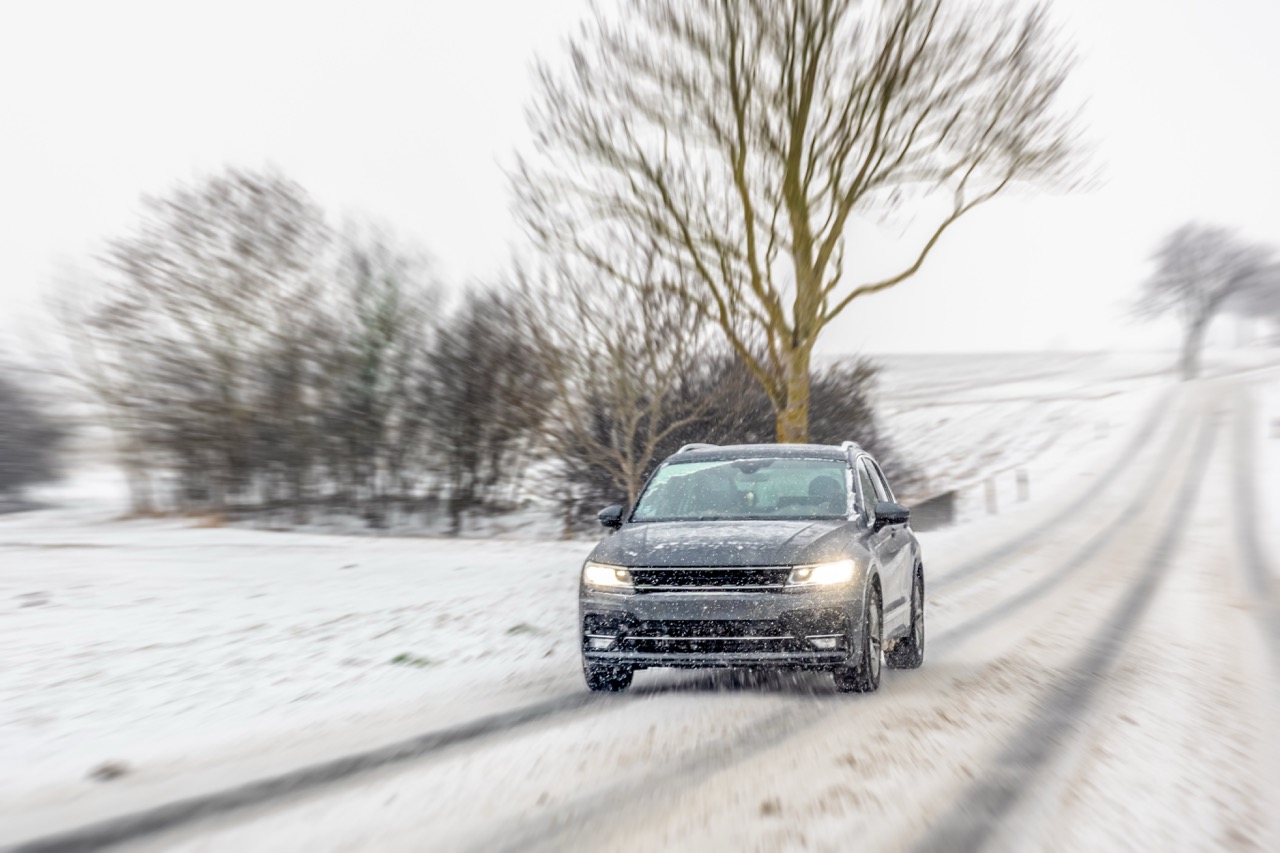
Winter Driving Starts Before the Snow
Eight practical ways to prepare your vehicle – and your auto insurance – for cold weather in Northern Illinois.
A safe winter begins with preparation. Check the vehicle, pack the right supplies, and understand your coverage before you need it.
Get Your Car Winter Ready
As temperatures drop and winter weather moves into Northern Illinois, now is the time to prepare your vehicle for the season ahead. Snow, ice, freezing rain, and subzero temperatures can strain your car and increase the chance of a breakdown or accident. A little preparation now can help protect your family, reduce roadside surprises, and prevent avoidable repair costs.
1. Check Your Tires
Your tires are your vehicle’s first line of defense on slippery roads. Cold temperatures can reduce tire pressure, affecting traction, braking, and handling.
- Check tire pressure monthly and follow the pressure listed on the driver side door-jamb label.
- Inspect tread depth and watch for uneven wear, cracking, or damage.
- Rotate or replace tires when needed.
- Consider winter tires if you regularly drive on snow-covered or untreated roads.
2. Test Your Battery
Cold weather is hard on vehicle batteries, and a weak battery may fail during the first serious cold snap.
- Watch for slow engine cranking, dim lights, or electrical issues.
- Check for corrosion around the battery terminals.
- If the battery is several years old, ask a service center to test its condition before winter.
3. Inspect Your Windshield Wipers
Clear visibility is critical during snow, sleet, and road spray. Replace blades that streak, skip, or leave areas of the windshield uncleared.
- Fill the reservoir with winter-rated windshield washer fluid.
- Keep an ice scraper and snow brush in the vehicle.
- Never use the wipers to force heavy ice off the windshield.
4. Check Your Vehicle Fluids
Winter conditions place extra demands on your vehicle. Ask a qualified technician to inspect engine oil, coolant and antifreeze, brake fluid, transmission fluid, power steering fluid when applicable, and windshield washer fluid.
5. Verify the Heating and Defrosting Systems
Your heater and defrosters are safety equipment, not just comfort features. Confirm the cabin heater works, front and rear defrosters clear the glass efficiently, and airflow is strong and consistent.
Prepare for the Unexpected
6. Assemble a Winter Emergency Kit
A winter emergency kit can make a major difference if you are stranded or waiting for help.
- Flashlight and extra batteries
- Jumper cables or a portable jump starter
- Ice scraper and snow brush
- Blanket, gloves, and warm clothing
- Phone charger or power bank
- Bottled water and shelf-stable snacks
- First-aid kit
- Small shovel and traction material
- Reflective triangles or road flares
7. Check Your Lights
Shorter days and poor weather mean more driving in low visibility. Inspect headlights, brake lights, turn signals, hazard lights, and license-plate lights. Clean cloudy or dirty lenses and replace burned-out bulbs promptly.
8. Review Your Auto Insurance Coverage
Winter weather can lead to collisions, weather-related damage, towing needs, and time without your vehicle. Review your policy before the season begins so you understand how it may respond.
- Comprehensive coverage for covered non-collision losses, such as falling objects, theft, vandalism, or certain weather-related damage
- Collision coverage for covered damage to your vehicle after an impact, subject to policy terms and the deductible
- Rental reimbursement to help with eligible temporary transportation expenses after a covered loss
- Roadside assistance or towing coverage for eligible breakdown-related services
- Liability limits that reflect the assets and financial responsibilities you need to protect
Coverage reminder: Coverage varies by carrier, policy form, endorsements, deductibles, exclusions, and the facts of a loss. Review your declarations page and policy documents with your insurance agent.
Do Not Wait for the First Snowfall
Winter weather often arrives faster than expected. Taking these steps now can improve reliability, support safer driving, and give you greater peace of mind throughout the season.
If you are unsure whether your current auto insurance provides the protection you expect, contact Flanders Insurance for a policy review. We can help explain your coverage and identify questions worth addressing before winter weather hits the road.
At Flanders Insurance Agency, we are here to help you protect what matters – in every season.